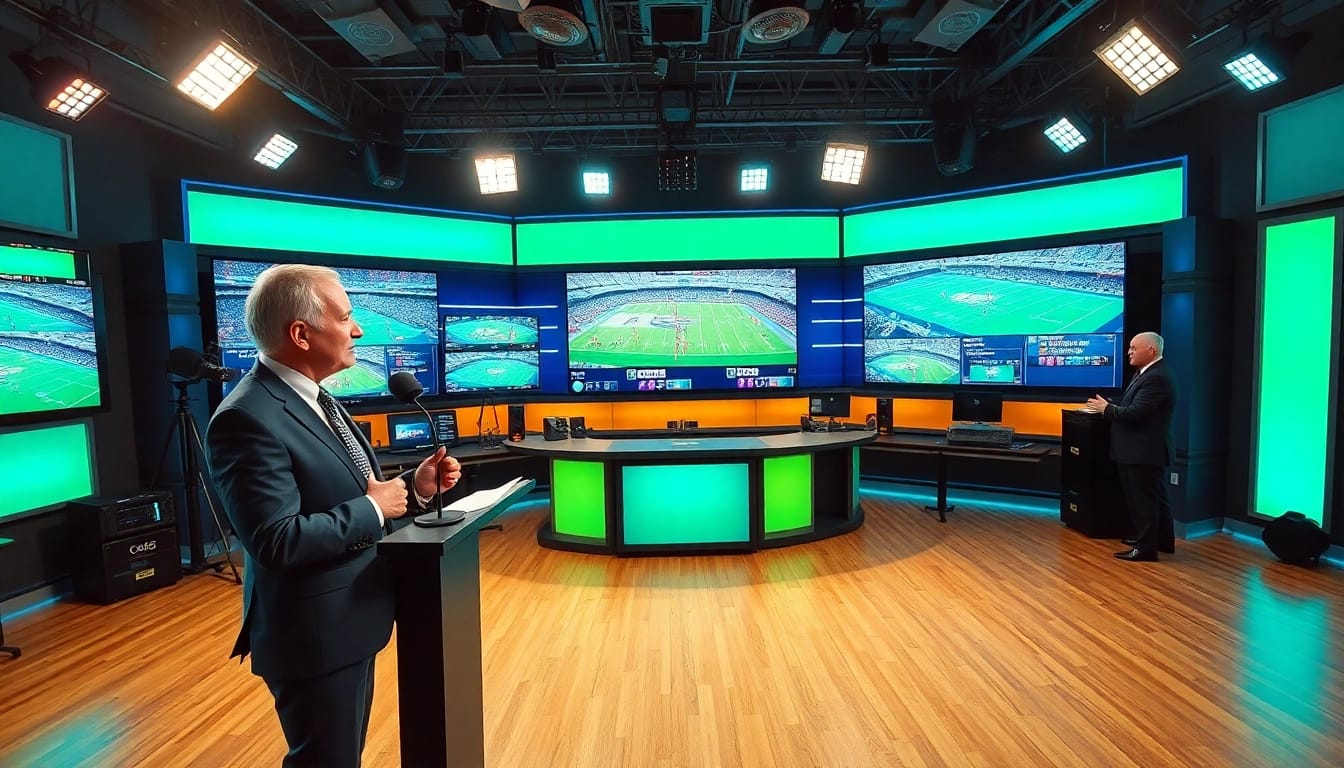
Introduction to Sports Broadcasting
Sports Broadcasting has transformed how audiences engage with their favorite teams and events. From live TV coverage to digital streams, it's crucial to understand the evolving landscape of this field. The growing popularity of Sports Broadcasting reflects a paradigm shift where traditional media is being complemented, and at times replaced, by new forms of technology. This article explores the key aspects of sports broadcasting, effective content strategies, promotional techniques, performance metrics, and future innovations.
Understanding the Landscape of Sports Broadcasting
The landscape of sports broadcasting today is vast and diverse, driven by consumer demand for real-time, accessible content. With the explosion of streaming services and digital platforms, live sports events are available not only on television but also on mobile devices, allowing fans to watch games anywhere. Traditional broadcasters are adapting, forging partnerships with tech firms and employing multi-platform strategies to engage fans better.
The Role of Technology in Sports Broadcasting
Tech innovations, such as high-definition streaming, augmented reality (AR), and artificial intelligence (AI), have radically altered sports broadcasting. These technologies enhance viewer experience by providing interactive and immersive options. Furthermore, AI helps analyze match data, giving broadcasters new ways to present content, while AR can bring to life statistics and player information in real-time on-screen.
Key Trends Shaping Sports Broadcasting
Several trends are fundamental in the sports broadcasting industry today:
- Increased Streaming Services: As sports fans prioritize convenience, many compete to offer live events, leading to a shift from traditional cable subscriptions.
- Social Media Integration: Platforms like Twitter and Instagram are becoming essential for real-time engagement and interaction with fans, complementing traditional broadcasts.
- Personalization: Data analytics allows broadcasters to customize viewing experiences based on users' preferences, enhancing engagement and viewer loyalty.
Developing Compelling Content
Creating and curating compelling content is at the heart of successful sports broadcasting. Engaging storylines, expert insights, and relevant data are essential to attract and retain viewership.
Creating Engaging Storylines for Sports Broadcasting
The narrative around a game can significantly enhance viewer engagement. Storylines about teams, players, rivalries, and underdog moments captivate audiences. Successful broadcasters weave these narratives into their presentations, using expert commentary and visuals that resonate emotionally. This storytelling not only informs but also entertains, fostering a deeper connection between the viewer and the event.
Utilizing Interviews and Analytics
Interviews with players, coaches, and analysts provide insider perspectives that enrich the viewing experience. Additionally, integrating analytics such as player stats, game forecasts, and performance metrics encourages informed discussion and helps viewers understand the game better. By presenting this data visually and succinctly, broadcasters can highlight critical moments and decisions made during games.
Interactive Features to Capture Audience Attention
As audiences seek more engagement, incorporating interactive features is crucial. Options like live polls, fan questions during broadcasts, and real-time statistics can enhance viewer involvement. Such features not only attract attention but also encourage viewers to share their experiences on social media, extending the reach of the broadcast.
Effective Promotion Techniques
Promotion is key to reaching wider audiences and maintaining interest levels. Broadcasters leverage numerous channels to promote content effectively.
Leveraging Social Media for Sports Broadcasting
Social media serves as a powerful tool for promoting sports broadcasts. Broadcasters can share highlights, behind-the-scenes footage, and real-time updates. Utilizing hashtags, engaging graphics, and interactive posts helps maximize audience reach and participation. Additionally, influencer partnerships can amplify efforts, tapping into existing fanbases for organic growth.
Building a Brand in Sports Broadcasting
A strong brand identity is essential in the competitive landscape of sports broadcasting. Successful brands communicate their unique voice, values, and mission through consistent messaging, visuals, and audience engagement. Whether it’s through signature themes, recognizable commentators, or immersive experiences, building a brand fosters loyalty among fans.
Cross-Promotional Opportunities in Sports
Collaborating with other entities in the sports industry can lead to mutual benefits. Events can cross-promote each other, share audiences, and create buzz. Broadcasters can collaborate with teams, leagues, or other media companies to offer joint experiences, special events, or exclusive content, expanding their marketing reach and enhancing the value offered to fans.
Performance Metrics and Analysis
Measuring performance and viewer engagement is crucial for broadcasters to refine their strategies effectively. Understanding metrics is essential for continuous improvement.
Tracking Viewership and Engagement
Key performance indicators (KPIs) such as viewership statistics, audience demographics, and engagement levels help broadcasters gauge success. Advanced analytics tools allow for real-time tracking, enabling broadcasters to understand when and how audiences engage most significantly with content. This data-driven approach supports informed decision-making.
Adjusting Strategies Based on Feedback
Constant feedback from viewers is invaluable. Broadcasters should create avenues for audience feedback, such as surveys and social media interactions. Analyzing viewer responses and adapting content strategy based on this feedback ensures that broadcasters remain relevant and attuned to audience preferences.
Utilizing Data Analytics for Future Planning
Data analytics enables broadcasters to foresee trends and effectively plan upcoming events. By studying past performances, viewership peaks, and audience behavior, broadcasters can tailor future broadcasts to maximize engagement. Forecasting potential interest areas allows for better resource allocation and content development.
Future Innovations in Sports Broadcasting
The future of sports broadcasting is brimming with possibilities shaped by emerging technologies and evolving viewer expectations. Understanding these innovations is vital for staying ahead.
Exploring Augmented and Virtual Reality
AR and VR technologies are set to revolutionize the viewer experience by providing immersive environments, enabling fans to engage with content more interactively. For example, AR can bring player stats to life during a game broadcast, while VR allows viewers to virtually experience a game from unique vantage points, fostering a deeper emotional connection with the event.
The Impact of Streaming Services
Streaming services continue to gain momentum, reshaping how audiences consume sports. With flexibility in viewing options, packages cater to diverse preferences, increasing subscriber numbers. Future sports broadcasters will likely focus on establishing bespoke offerings, potentially integrating niche sports and customized content that traditional networks might overlook.
Emerging Technologies in Sports Broadcasting
Technological advancements, including AI analytics, blockchain for secure transactions, and enhanced mobile streaming capabilities, will enable a richer viewing experience. As these technologies evolve, broadcasters must adapt quickly to harness their potential to improve content delivery, ensure viewer engagement, and streamline operational efficiencies.
Frequently Asked Questions
What is sports broadcasting?
Sports broadcasting involves the live coverage and commentary of sports events on various platforms, including television, radio, and online streaming.
What are the key components of successful sports broadcasting?
Successful sports broadcasting includes engaging content, expert commentary, strategic use of technology, and effective audience interaction.
How has technology changed sports broadcasting?
Technology has transformed sports broadcasting by introducing high-definition video, interactive features, and data analytics, enhancing viewer experience.
What trends are influencing the future of sports broadcasting?
Current trends include increased streaming services, use of social media for real-time engagement, and the integration of virtual reality experiences.
How can broadcasters measure their performance?
Broadcasters can measure performance by tracking viewership numbers, audience engagement metrics, and feedback, allowing for continuous improvement.